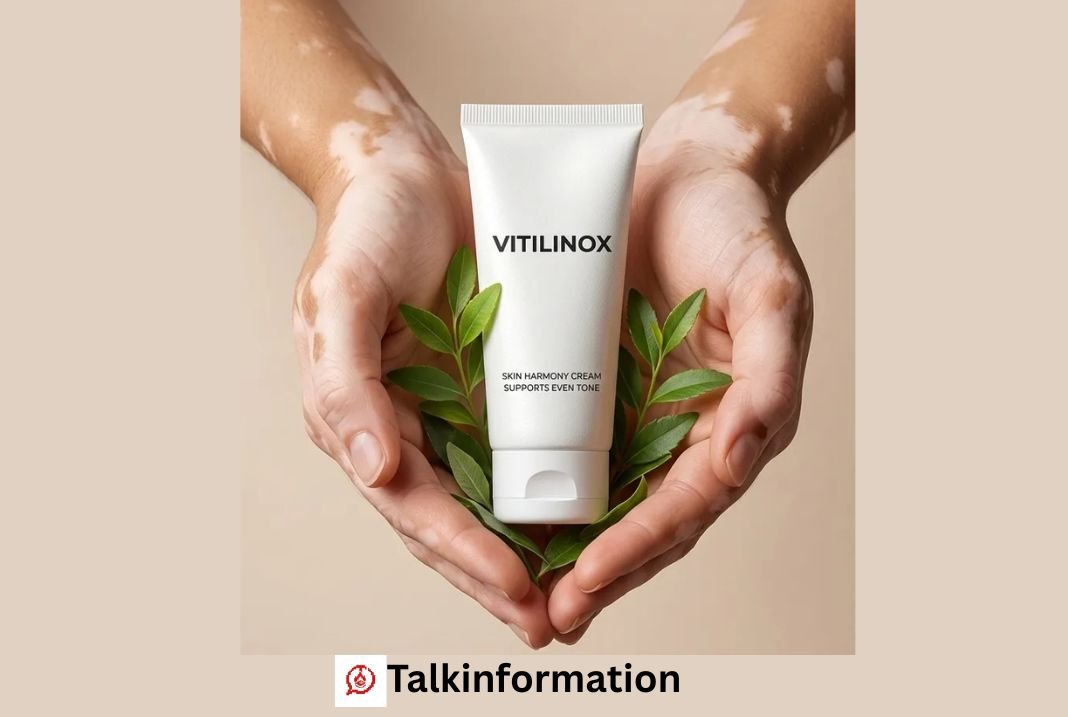

Vitiligo is a long-term skin condition that causes white patches to appear when the body’s own immune system mistakenly destroys melanocytes — the specialised cells responsible for producing melanin. While vitiligo is not life-threatening, the visible skin changes it causes can deeply affect a person’s confidence and mental well-being. In 2026, awareness of this autoimmune condition continues to grow, and so do the options available for managing it. Understanding how and why pigment loss happens is the first step in exploring any treatment or supportive skincare approach.
Why Skin Loses Melanin
Melanin is the pigment that gives skin, hair, and eyes their natural colour. It is produced by melanocytes located in the base layer of the skin. In people with vitiligo, the immune system identifies these specialised cells as foreign threats and attacks them. Once the melanocytes in a particular area are damaged or destroyed, that part of the skin loses its melanin production capability entirely. The result is depigmentation — patches of skin that appear distinctly lighter or completely white compared to surrounding healthy skin tones.
Oxidative stress also plays a significant role. When free radicals build up inside the skin and overwhelm the body’s natural defence systems, they cause cellular damage to melanocytes. This oxidative damage weakens the cellular environment around pigment-producing cells and can worsen depigmentation over time. This is precisely why antioxidants form such a key part of modern formulations designed to support skin in vitiligo-prone areas.
Common Causes and Triggers
Vitiligo does not have a single cause. Research points to a mix of genetic susceptibility, environmental triggers, and immune activity. People with a family history of vitiligo or other autoimmune conditions are at higher risk. Beyond genetics, a range of external and internal factors may trigger or worsen the condition:
- Emotional stress and stress hormones that disrupt immune control
- Physical trauma or injury to the skin (known as the Koebner phenomenon)
- Exposure to harsh chemicals or industrial chemicals in certain work environments
- Hormonal changes, particularly during puberty or pregnancy
- Environmental stressors that increase localized inflammation
It is also worth noting that not everyone with these risk factors will develop vitiligo. The interplay between body chemistry, immune function, and environmental stressors is complex, and a dermatologist is best placed to assess individual cases.
Types and Early Signs of Vitiligo
The most common form is non-segmental vitiligo, which causes symmetric white patches on both sides of the body — typically on the hands, wrists, knees, elbows, and face. Localized patches can appear in one small area at first, while widespread pigment loss may develop in more advanced cases. Facial vitiligo tends to respond better to treatment because hair follicles in the face hold recovered melanocytes that can support repigmentation.
Early signs include small, milky-white areas that may slowly expand. Some people notice depigmentation beginning around moving joints or areas exposed to regular friction. Recognising these distinct shades early and seeking medical advice quickly can improve treatment outcomes significantly.
What Is Vitilinox and How Does It Work?
Vitilinox is a supportive skincare product designed specifically to help people dealing with vitiligo manage their skin health as part of a broader skincare routine. It is a topical cream formulated with plant-based ingredients, antioxidants, and supportive nutrients aimed at creating a healthy environment for melanocytes to function. Vitilinox is not a prescription medication — it is a complementary product that works alongside medical treatment or as standalone daily skin care for those managing mild to moderate patches.
How Vitilinox Supports Repigmentation
Vitilinox works by targeting the underlying conditions that make it difficult for melanocytes to survive and produce melanin. Its plant-based formulation is built around reducing oxidative stress, calming localized immune activity, and nourishing the skin barrier. When melanocytes are exposed to less oxidative damage and a more stable environment, their cellular function improves — and over time, the potential for visible repigmentation increases.
The skin-support formula does not directly stimulate melanin production through chemical pathways the way some prescription therapies do. Instead, it takes a non-invasive approach by reducing the conditions that suppress melanocyte activity. Consistent daily application over several months is key to seeing gradual improvement in skin tone and pigmentation in targeted areas.
Key Ingredients in Vitilinox
The effectiveness of Vitilinox lies in its combination of botanical extracts and supportive nutrients. Some of the most notable components include:
- Vitamin B12 and folic acid — supportive nutrients known to play a role in melanin production and cellular healing
- Zinc and copper — trace minerals that support enzyme processes involved in pigment formation
- L-phenylalanine — an amino acid studied for its potential role in supporting melanin synthesis
- Natural antioxidants from botanical extracts — help reduce free radicals and oxidative damage around melanocytes
- Anti-inflammatory botanical compounds — work to calm localized immune response around white patches
Together, these ingredients create a skin-support formula that addresses multiple aspects of the vitiligo environment — from oxidative stress reduction to nutritional supplementation for healthy cells.
Scientific Background and Research
Scientific studies into the individual ingredients within Vitilinox show promising results. Vitamin B12 and folic acid, for example, have been explored in clinical trials as part of combination vitiligo treatments, with some research showing their role in supporting gradual recovery when used alongside phototherapy. Zinc and copper are recognised in medical research as essential minerals for skin pigmentation.
Vitilinox positions itself within the research context of gentle antioxidant-based approaches, acknowledging that while it is not a cure, it contributes meaningfully to a comprehensive treatment plan. In 2026, modern dermatology increasingly embraces the idea that supportive skincare plays a valid role alongside advanced therapies — and Vitilinox fits into that evolving conversation well.
Modern Vitiligo Treatments in 2026
The landscape of vitiligo treatment has changed significantly in recent years. Where once treatment options were limited to topical corticosteroids and basic phototherapy, 2026 now offers a wider range of advanced therapies — from oral JAK inhibitors to cellular therapies and precision treatment using laser technology. Here is a look at what modern dermatology offers today.
Topical Creams and Immune Therapies
Topical treatments remain the first line of approach for most people with vitiligo. Corticosteroids have long been used to slow down immune activity at the site of white patches — but they carry risks like skin thinning and stretch marks with prolonged use. For sensitive skin areas such as the face or around moving joints, calcineurin inhibitors like tacrolimus offer a gentler alternative that reduces localized inflammation without the risks associated with steroids.
Therapeutic creams that combine immune suppression with skin nourishment are gaining traction in modern skincare trends. Supportive creams like Vitilinox complement these prescription therapies by maintaining skin health between medical treatments, making them a valued part of many healthcare routines.
Oral JAK Inhibitors and New Advances
One of the most significant scientific breakthroughs in vitiligo treatment is the development of JAK inhibitors — medications that work by blocking specific signalling pathways involved in the autoimmune attack on melanocytes. In 2026, several oral JAK inhibitors have received attention through clinical trials and regulatory review. These include upadacitinib, ritlecitinib, ruxolitinib, and povorcitinib.
Ritlecitinib in particular has shown strong Phase 3 clinical data and received attention from bodies such as NICE (National Institute for Health and Care Excellence) in its evaluation process. These targeted molecular medicine approaches represent a shift from broad immune suppression to more precise targeting of T-cell activity and chemical pathways involved in the autoimmune process. While oral medication carries more systemic risks than topical options, the clinical success rates reported in trials are encouraging — particularly for people with active, widespread vitiligo.
Phototherapy and Laser Treatments
Phototherapy remains one of the most established and widely available vitiligo treatments. Narrowband ultraviolet B (NB-UVB) therapy uses targeted ultraviolet light to stimulate melanocyte activity in depigmented skin. Sessions are typically conducted in a dermatology clinic and may take place several times a week over months.
For more localised patches, the excimer laser offers a more targeted approach. This device delivers 308nm ultraviolet light directly to affected areas, making it a precision treatment for facial vitiligo or small, distinct patches. Laser therapy sessions tend to produce more rapid pigment recovery in localized areas compared to full-body phototherapy, though both require consistency and patience.
Surgical Options for Stable Vitiligo
When vitiligo has been stable for a significant period and other treatments have not produced adequate results, surgical options may be considered. Skin graft procedures involve transplanting pigmented skin from one area to the depigmented patches. A more advanced technique involves using a cellular mixture — a suspension of melanocytes harvested from pigmented skin and applied to prepared recipient areas.
These cellular therapies are typically offered through specialist centres, and candidates need to have stable repigmentation conditions to be eligible. Surgical options are not first-line treatments but can offer durable repigmentation for carefully selected patients.
Benefits of Vitilinox
For many people, Vitilinox represents a practical, daily-use option that fills an important gap — it is supportive, non-invasive, and accessible without a prescription. Whether used alone or as part of a broader treatment plan, its benefits extend beyond the surface of the skin.
Skin Tone Improvement and Daily Support
One of the most appreciated benefits of Vitilinox is the gradual improvement in skin tone it can deliver with consistent use. As the antioxidant-rich formulation works to reduce oxidative damage and support healthy cells, many users notice that surrounding skin looks more evenly toned, and early peppering — the first signs of colour returning to white patches — begins to appear.
The daily application of Vitilinox also serves as a form of continuous care. Skin nourishment is not a one-time effort; it requires regular, gentle support. Vitilinox, used as part of a daily skincare routine, helps maintain the skin barrier, keeps the skin hydrated, and ensures that the cellular environment around melanocytes remains as supportive as possible.
Benefits in Combination Therapy
Vitilinox shines particularly well as part of a comprehensive treatment plan. When used alongside phototherapy, for example, the skin is better prepared to respond positively to narrowband ultraviolet B sessions. Supportive nutrients like folic acid and Vitamin B12 in the formula complement the stimulation provided by ultraviolet light treatment, potentially improving treatment outcomes.
Similarly, when a person is undergoing oral medication or applying prescription therapies under dermatologist guidance, Vitilinox can serve as complementary care — keeping the skin moisturised, reducing irritation, and maintaining a healthy environment that supports the effects of targeted therapies. It functions as part of holistic care, addressing skin health from multiple angles simultaneously.
Emotional and Confidence Benefits
Living with vitiligo can be deeply challenging emotionally. Social anxiety, depression, and reduced self-esteem are common experiences, particularly for people with patches on visible areas like the face, hands, and wrists. Taking an active step in managing one’s skin — even through a supportive product like Vitilinox — can have meaningful psychological well-being benefits.
The act of caring for one’s skin consistently builds emotional resilience and a sense of agency. Many users report that visible improvement — even gradual improvement over six months — significantly improves their confidence and social comfort. For those who also engage with support groups or practice meditation and deep breathing as part of holistic healing, Vitilinox becomes part of a broader self-care practice that supports mental well-being alongside skin health.
How to Use Vitilinox for Best Results
Getting the most out of Vitilinox requires more than just applying it once in a while. Consistency, proper technique, and a good understanding of how to care for vitiligo-affected skin all contribute to better results over time.
Proper Application Techniques
The application technique matters as much as the product itself. The recommended approach is:
- Cleanse the affected area gently with warm water and a mild, fragrance-free cleanser
- Pat the skin dry — never rub, as friction can worsen depigmentation in some cases
- Apply a small, pea-sized amount of Vitilinox directly onto the white patches
- Massage gently in circular motions until fully absorbed — avoid pulling or stretching the skin
- Apply sunscreen (SPF 30 or higher) on top after the cream has absorbed, especially if going outdoors
Daily application is key. Skipping days reduces the consistency needed for gradual improvement. Most healthcare professionals recommend applying Vitilinox twice daily — once in the morning and once in the evening — for optimal results.
Sensitive Areas and Skin Care Tips
Vitilinox is suitable for sensitive skin but it is always wise to do a patch test before applying it across larger areas. Apply a small amount to the inner arm and wait 24 hours to check for any redness or irritation. People with dry skin should consider applying a gentle, fragrance-free moisturiser alongside Vitilinox to maintain the skin barrier.
For facial skin and facial vitiligo, special care should be taken — use minimal amounts and avoid the eye area. For areas around moving joints such as knees and elbows, apply slightly more generously, as these areas lose product more quickly due to movement. Combination skin users may find that the skin adjusts after the first few weeks of daily application.
Mistakes to Avoid During Treatment
A few common mistakes can slow down progress when using Vitilinox:
- Skipping application days — consistency is everything when it comes to gradual recovery
- Using harsh chemicals or aggressive exfoliants on treated areas, which can undo skin nourishment benefits
- Ignoring sunscreen — depigmented skin has no natural UV protection, making broad-spectrum sunscreen non-negotiable
- Expecting immediate results — patience is essential; visible skin changes take time, often one to three months before early signs appear
- Not tracking progress — taking monthly photos helps users see gradual improvement that might otherwise go unnoticed
- Applying over broken or heavily irritated skin without consulting a healthcare professional first
Vitilinox vs Traditional Vitiligo Treatments
Understanding where Vitilinox sits in the treatment landscape helps people make informed decisions about what approach suits them best.
Differences in Effectiveness and Safety
Below is a comparison of Vitilinox against traditional vitiligo treatment options:
| Feature | Vitilinox | Corticosteroids | JAK Inhibitors | Phototherapy |
| Form | Topical cream | Topical / Oral | Oral medication | UV light sessions |
| Prescription | Not required | Required | Required | Required |
| Key Action | Antioxidant support | Immune suppression | JAK pathway block | UV stimulation |
| Side Effects | Minimal | Skin thinning possible | Systemic risks | Sunburn risk |
| Best For | Mild–moderate patches | Short-term flares | Active vitiligo | Widespread areas |
| Usage | Daily application | Short courses | Daily oral | Clinic sessions |
Traditional treatments like corticosteroids and JAK inhibitors are clinically powerful, but they come with prescription requirements and potential side effects. Vitilinox, as a supportive skincare product with a plant-based formulation, is gentler and more accessible but is not a substitute for medical treatment in severe or rapidly progressing cases. Its non-invasive approach and prescription-free availability make it a solid entry point for those new to managing vitiligo.
Which Option Is Better for Different Cases
The right approach depends on the individual:
- Mild, stable vitiligo with localized patches — Vitilinox as primary supportive care with sun protection
- Moderate vitiligo with some spread — Vitilinox as complementary care alongside phototherapy or calcineurin inhibitors
- Active, spreading vitiligo — dermatologist-guided prescription therapies (JAK inhibitors, NB-UVB) with Vitilinox as supportive skincare
- Post-surgical care — Vitilinox to maintain skin nourishment and support stable repigmentation after skin graft or cellular therapies
A dermatologist is the best person to guide this decision. Treatment compatibility matters — not every combination suits every person, and verified medical advice should always underpin any therapeutic regimen.
Lifestyle, Diet, and Sun Protection
No product or prescription therapy works in isolation. The body’s ability to support repigmentation is also shaped by lifestyle, nutrition, and daily habits. For people managing vitiligo in 2026, holistic care is an increasingly important part of the conversation.
Nutrition and Stress Management
A nutrient-dense diet rich in antioxidants, minerals, and vitamins supports immune stabilisation and reduces oxidative stress from within. Nutritional supplementation may also be helpful for those who cannot meet their requirements through food alone. Particularly relevant nutrients include:
- Vitamin B12 and folic acid — commonly low in vitiligo patients and supportive of melanin production
- Zinc and copper — essential minerals for skin pigmentation and cellular function
- Natural antioxidants from fruits, vegetables, and whole foods — reduce free radicals and protect healthy cells
- Balanced nutrition overall — a balanced care approach that avoids nutrient deficiencies linked to immune dysfunction
Emotional stress is one of the most significant triggers for vitiligo flares. Stress hormones disrupt immune control and can accelerate T-cell activity against melanocytes. Managing stress through meditation, deep breathing, and body balance practices can meaningfully support immune stabilization and slow the progression of depigmentation.
Protecting Depigmented Skin from UV Damage
Depigmented patches have no melanin to absorb ultraviolet light, which means they are highly vulnerable to sunburn and solar radiation damage. Protecting these areas is not optional — it is essential. Daily use of a broad-spectrum sunscreen with at least SPF 30 is recommended by most dermatologists. For outdoor activities or prolonged sun exposure, a water-resistant sunscreen with higher SPF is preferred.
Wide-brimmed hats and protective clothing offer additional protection. It is also important to avoid tanning beds and sunlamps entirely — these deliver concentrated ultraviolet light that can cause significant sunburn and worsen the contrast between depigmented patches and surrounding skin, making cosmetic appearance more pronounced. Avoiding sunburn is also critical because sunburned skin can trigger the Koebner phenomenon, causing new white patches to form at the site of the burn.
Daily Habits That Support Repigmentation
Beyond diet and sunscreen, daily habits make a real difference in supporting the skin’s recovery environment:
- Apply Vitilinox consistently every day as part of the morning and evening skincare routine
- Use gentle, fragrance-free products across the broader skincare routine to avoid irritation
- Stay hydrated to maintain skin barrier health from the inside out
- Track visible skin changes using monthly photos to stay motivated and monitor progress
- Attend follow-up appointments with a healthcare professional to review treatment outcomes
- Join support groups to share experiences and build emotional resilience
Safety, Side Effects, and Expectations
One of the most common questions about any vitiligo product is whether it is safe to use — and what realistic results look like over time. Here is what people should know before starting Vitilinox.
Possible Side Effects and Precautions
Vitilinox is formulated with gentle antioxidant-based botanical extracts and is generally well-tolerated. However, as with any topical product, some individuals may experience mild reactions, particularly during initial use. Possible side effects may include:
- Mild redness or irritation during the first few weeks, especially on sensitive skin
- Temporary dryness if used without additional moisturisation on very dry skin
- Rare allergic reactions to specific botanical extracts — always do a patch test before full application
Vitilinox does not carry the risks of skin thinning or stretch marks associated with long-term corticosteroid use. Because it is over the counter and prescription-free, it can be used without the systemic risks of oral medication. However, people with known sensitivities to plant-based formulations should review the ingredient list carefully. Anyone on prescription medications or prescription therapies should consult their healthcare professional before adding any new skin care product to their routine.
Realistic Results and Treatment Timeline
Setting realistic expectations from the start helps prevent frustration and encourages patience — both of which are essential in managing vitiligo. Here is a general timeline for what users might experience:
| Timeframe | What to Expect |
| Four weeks | Skin feels more nourished; irritation may settle |
| Six to eight weeks | Early peppering may begin in some users |
| One to three months | Gradual improvement in skin tone around patches |
| Six months | Visible improvement; some repigmentation visible |
| Twelve months | More stable repigmentation; consistent use matters |
It is important to understand that results vary. Facial repigmentation tends to happen faster because of the density of hair follicles in that area. Areas like the hands and knees — particularly around moving joints — typically respond more slowly. Progress tracking through monthly photos is strongly encouraged to appreciate gradual recovery that might not be obvious day-to-day.
Long-Term Maintenance and Relapse Prevention
Vitiligo is a long-term condition, and managing it requires continuous care rather than short-term treatment bursts. Even after visible improvement, stopping treatment abruptly can lead to relapse. Long-term maintenance involves continuing daily application of Vitilinox as a supportive cream, maintaining sun protection habits, and attending regular follow-up appointments.
Combining Vitilinox with good daily habits, a balanced nutrition plan, and stress management creates a stable environment that reduces the likelihood of new white patches forming. Continuous therapy is not about dependency — it is about maintaining the healthy environment that allows recovered melanocytes to survive and continue functioning.
Future of Repigmentation Treatments
Modern medicine is moving rapidly in the direction of targeted molecular medicine and cellular therapies for vitiligo. Advanced technology such as precision treatment through JAK inhibitor refinement, better delivery systems for topical products, and deeper understanding of signalling pathways are all areas of active research. In 2026, clinical trials continue to expand knowledge around durable repigmentation and long-lasting success.
Modern pigment recovery approaches are also becoming more personalised — matching treatments to a person’s specific immune profile and progression pattern. Complementary care products like Vitilinox are likely to evolve alongside these advanced recovery options, with modern formulations incorporating more targeted molecular support. The future holds significant promise for people with vitiligo seeking stable results.
Is Vitilinox Worth Considering?
For most people with vitiligo seeking a safe, accessible, and supportive option for daily skin care, Vitilinox offers genuine value. It is not a cure, and it does not replace prescription therapies for severe or rapidly progressing vitiligo. But as a non-invasive, plant-based formulation with antioxidants, skin-support nutrients, and anti-inflammatory botanical extracts, it addresses real needs in the vitiligo management journey.
Its greatest strength lies in its role as complementary care — supporting the skin environment day in and day out, reducing oxidative damage, and contributing to gradual, stable repigmentation when used with consistency and patience. For those making informed decisions about their healthcare routine, Vitilinox is worth considering as part of a balanced, holistic care plan.
Conclusion
Vitiligo is a complex autoimmune condition that affects skin, confidence, and quality of life for millions of people worldwide. In 2026, the treatment landscape is richer than ever — with oral JAK inhibitors, phototherapy, laser therapy, cellular therapies, and supportive skincare products all playing important roles.
Vitilinox sits at the intersection of modern dermatology and accessible daily skin care. Its plant-based formulation, built around antioxidants, botanical extracts, and supportive nutrients like Vitamin B12, folic acid, zinc, and copper, makes it a thoughtful addition to any vitiligo management plan. Whether used alone for mild localized patches or as complementary care alongside prescription treatments, Vitilinox offers gentle, continuous support for the skin.
The journey with vitiligo requires patience, realistic expectations, and a holistic care approach that covers nutrition, stress management, sun protection, and consistent skincare. With the right support — including products like Vitilinox — gradual improvement is achievable, and many people find that both their skin and their confidence benefit in meaningful ways over time.
Frequently Asked Questions
Is Vitilinox a prescription medication?
No — Vitilinox is a prescription-free, over-the-counter supportive skin cream that can be used as part of a daily skincare routine without a doctor’s prescription.
QHow long does it take to see results from Vitilinox?
Most users begin to notice early signs of gradual improvement within one to three months, with more visible repigmentation developing by six months of consistent daily application.
Can Vitilinox be used alongside phototherapy or other vitiligo treatments?
Yes — Vitilinox is designed as complementary care and works well alongside phototherapy, calcineurin inhibitors, and other dermatologist-recommended therapies as part of a comprehensive treatment plan.
Are there any side effects from using Vitilinox?
Vitilinox is generally well-tolerated, though some users may experience mild redness or irritation initially, so a patch test before full application is always recommended.
Does sunscreen need to be used with Vitilinox?
Absolutely — depigmented skin has no melanin protection from UV damage, making daily broad-spectrum sunscreen with SPF 30 or higher an essential part of any Vitilinox routine.

Welcome to our site. I am admin of TalkInformation.com, an AI-Powered SEO, And Content Writer with 4 years of experience. I help websites rank higher, grow traffic, and look amazing, my goal is to make seo and web design simple and effective for everyone. let’s achieve more together!